
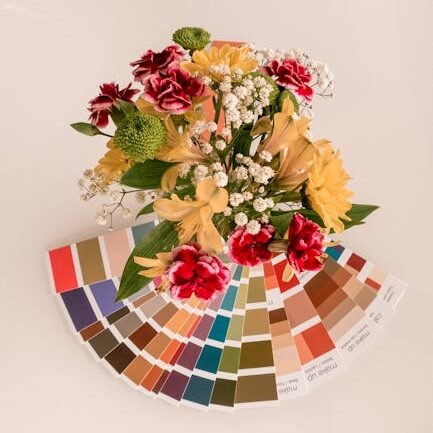
Unveiling Color Palette From Nature
Nature, in all its beauty, holds incredible secrets of color. Long before synthetic dyes were invented, humans harnessed various parts of plants to create stunning hues used to color textiles, foods, and even inks. By utilizing various parts of plants, we can create beautiful and diverse natural colors. The use of natural dyes not only provides aesthetic value but is also more environmentally friendly and sustainable than synthetic dyes.
Natural Dyes from Plants
Nature provides an endless array of colors. Different parts of plants, such as roots, stems, leaves, flowers, fruits, and seeds, can produce natural pigments that can be used as dyes. Some common natural dyes include:
- Turmeric: Turmeric root contains curcumin, which produces a bright yellow color.
- Pandan leaves: Pandan leaves produce a natural green color often used for coloring food.
- Butterfly pea flowers: Butterfly pea flowers produce a beautiful blue color commonly used to color drinks.
- Beets: Beetroots produce an intense red color.
- Carrots: Carrots contain beta-carotene, which produces an orange color.
Natural Dyes for Textiles
Since ancient times, humans have used natural dyes to color fabrics. Some plants commonly used to produce textile dyes include:
- Safflower: Safflower produces a very strong and long-lasting red dye.
- Indigo: Indigo plants produce a distinctive blue-indigo dye.
- Teak leaves: Teak leaves produce a natural brown color.
The process of dyeing textiles using natural dyes generally involves several steps, namely:
- Extraction: Extracting the dye from the plant part containing the pigment.
- Mordanting: Binding the dye to the fabric fibers to make the color long-lasting.
Dyeing: Immersing the fabric in the dye solution.
Natural Dyes for Food
Natural Color Palette are also widely used in the food industry to give food an attractive and natural color. In addition to turmeric, pandan leaves, and butterfly pea flowers mentioned earlier, some other natural ingredients commonly used are:
- Saffron: Saffron threads produce a luxurious golden yellow color.
- Paprika: Red, yellow, and green peppers can produce a variety of colors.
- Purple sweet potato: Purple sweet potatoes contain anthocyanins, which produce a purple color.
The use of natural dyes in food not only provides an attractive color but also adds nutritional value and health benefits.
Natural Dyes for Ink
Natural dyes can also be used to make ink. Ink from teak leaves, for example, has long been used for writing on traditional paper. In addition to teak leaves, some other plants that can produce natural ink are:
Pomegranate peel: Produces a dark brown color.
Suji leaves: Produces a green color.
Natural inks are not only environmentally friendly but also have unique and attractive characteristics.